Whole Living Magazine

Dr. Cimperman is featured as one of five "notable" healers in the September issue of Whole Living magazine, on news stands now.

Read about why she chose naturopathic medicine on page 119.

Prostate Cancer Screening: Risks, Benefits and Alternatives

Screening tests for prostate cancer are regularly recommended as tools of prevention. Testing doesn't reduce the risk of developing cancer, it only increases the chance of finding it, but early detection may improve survival and the American Urological Association recommends that men start screening at age 40. However, the procedures carry risks and recent clinical trials have questioned their benefit. Understanding the research, risks, benefits and alternatives helps men make decisions best for them.

Studies

Screening tests for prostate cancer commonly include a blood test for prostate-specific antigen (PSA), a compound secreted by prostate tumors (both benign and malignant), and a physical exam, where doctors palpate the gland to detect abnormalities in size or shape, often referred to as a digital rectal exam or DRE. Two large, landmark trials published last year in the New England Journal of Medicine evaluated outcomes associated with these procedures.

The European Randomized Study of Screening for Prostate Cancer included 182,000 men from seven European countries between the ages of 50 and 74. Participants were randomly assigned to two groups. One group received PSA tests once every four years, while the other group was not screened for prostate cancer. At the end of the study, researchers found that the men who were tested experienced 20 percent fewer deaths from prostate cancer than those who were not tested. However, they also found that 1,410 men would have to be screened and 48 would have to undergo cancer treatment in order to prevent one man from dying of prostate cancer.

The other research study followed almost 76,700 men in the United States and randomly assigned them to two groups. One group received "usual care," which sometimes included screening. The other group received regular screening: a PSA test every year for six years and a DRE every year for four years. After seven to ten years of follow-up, researchers analyzed the rates of death from prostate cancer and concluded that there was no significant difference between the two groups.

Risks

When screening tests are positive, biopsies are performed so that cells can be evaluated by a pathologist and a diagnosis can be made. When cancer is found, it is often treated with surgery and radiation.

For some men, these tests and treatments save lives. But they do not guarantee that cancer will be cured or that men will live longer. Aggressive prostate tumors can be incurable regardless of how early they are detected.

And not all prostate cancers need treatment. In most men, tumors of the prostate are slow-growing and unlikely to spread to other parts of the body or cause death. Many older men diagnosed with prostate cancer will not live long enough to benefit from treatment because they will die of other causes. Autopsy studies show that more men die with prostate cancer than from prostate cancer.

Additionally, tests and treatments carry risks, side effects and complications. Biopsies can be associated with pain, bleeding and urinary tract infections, and men may have difficulty passing urine after the procedure. Cancer treatment can cause impotence, urinary incontinence and bowel problems.

Side effects of screening tests are not only physical. Studies have shown that false positives (test results that indicate prostate cancer is present when it isn't) cause psychological harm that may persist for up to one year. And false positives are a common occurrence, accounting for approximately 75 percent of all PSA results. According to the Mayo Clinic, only one out of four men with a positive PSA test actually has cancer. False negatives (test results that indicate cancer is not present when really it is) can also occur if malignant tumors grow quickly without producing much PSA.

Benefits

Certain men may benefit from prostate cancer screening. African-American men, who are more likely to be diagnosed with prostate cancer at a younger age, and whose PSA levels at the time of diagnosis are likely to be higher, may benefit. Any man with a father or brother diagnosed with prostate cancer before the age of 65 has an above-average risk of developing the disease himself and may also benefit. And for men who have already been treated for prostate cancer, monitoring PSA levels can help predict possible recurrence. Men who meet these criteria should consider screening tests and ask their doctors for individualized recommendations.

Alternatives

For the majority of men, prostate cancer screening provides no benefit and subjects them to uncomfortable and unnecessary tests and treatments. Instead, most men should focus on optimal health and cancer prevention. Here are the best strategies:

•    Eat a healthy diet full of whole foods, including seven or more servings of pesticide-free vegetables and fruits each day. Choices especially good for reducing the risk of prostate cancer include lycopene-rich tomatoes; foods high in folate like spinach, lentils and beans; and cruciferous vegetables like kale, cabbage and broccoli because they contain diindolylmethane, a nutrient that increases the excretion of hormones.

•    Eat foods rich in omega-3 fatty acids, especially wild fish living low on the food chain like Alaskan Salmon, Pacific Halibut, sardines, herring and anchovies.

•    Include phytoestrogens in your diet. These plant-based compounds can reduce the risk of hormone-related cancers including prostate cancer. The best sources are ground flax seeds and traditional soy foods like tofu, tempeh and miso. Ground flax seeds are an especially good choice because they contain omega-3 fats and lignans, compounds that positively affect the metabolism of hormones in the liver.

•    Drink several cups of green tea each day and alcohol only in moderation, favoring antioxidant-rich red wine.

•    Avoid refined carbohydrates and unhealthy fats. These include processed foods, sugar, flour, refined vegetable oils, oxidized and trans fats, and meat, eggs and dairy products from animals exposed to hormones or pesticides.

•    Avoid foods and beverages that have been stored in plastic containers and cans unless they are labeled BPA-free and phthalate-free.

•    Exercise regularly and maintain a healthy weight. Studies have found that men who are overweight and obese have a higher risk for developing prostate cancer and having more aggressive tumors. Waist-to-hip ratio is also important because excessive abdominal fat may better correlate to cancer risk than adipose evenly distributed.

•    Get plenty of sleep. A large study of Japanese men found that those who slept an average of nine hours or more each night had less than half the risk of prostate cancer compared to those who slept less.

•    Ask your doctor to test your vitamin D. Low levels have been linked to several kinds of cancer, including prostate cancer.

References

Andriole GL et al. Mortality results from a randomized prostate-cancer screening trial. New England Journal of Medicine. 2009 Mar 26;360(13):1310-9.

Carroll P et al. Prostate-Specific Antigen Best Practice Statement: 2009 Update. American Urological Association.

Kakizaki M et al. Sleep duration and the risk of prostate cancer: the Ohsaki Cohort Study. British Journal of Cancer. 2008 July 8; 99(1): 176–178.

Lin K et al. Benefits and harms of prostate-specific antigen screening for prostate cancer: an evidence update for the U.S. Preventive Services Task Force. Annals of Internal Medicine. 2008 Aug 5;149(3):192-9.

Schröder FH et al. Screening and prostate-cancer mortality in a randomized European study. New England Journal of Medicine. 2009 Mar 26;360(13):1320-8.

Shao YH et al. Contemporary risk profile of prostate cancer in the United States. Journal of the National Cancer Institute. 2009 Sep 16;101(18):1280-3.

United States Preventive Services Task Force. Screening for Prostate Cancer. August 2008.

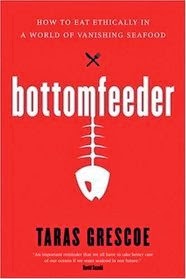
How to Eat Ethically in a World of Vanishing Seafood

http://www.amazon.com/gp/product/1596916257?ie=UTF8&tag=adifkinofdoc-20&linkCode=xm2&camp=1789&creativeASIN=1596916257

Taras Grescoe’s book, Bottomfeeder: How to Eat Ethically in a World of Vanishing Seafood, offers an adventurous, in-depth exploration of fishing and aquaculture practices around the world.

His quest to find the best fish meal in a world of diminishing choices takes him to seafood capitals like Chesapeake Bay, Nova Scotia, British Colombia, Marseilles, Japan, China and India. From fish farms and fish stick factories to sushi bars, skipjacks, and supermarkets, Grescoe gives an insider’s look at important issues from a variety of perspectives.

Grescoe not only investigates problems surrounding fish and seafood like environmental pollution, ecosystem damage and loss of biodiversity. He also suggests solutions, offers tools for choosing seafood, and discusses the pleasures and virtues of eating at the bottom of the food chain. “For every fish I have crossed off my list,” he writes, “I have added several more.”

Now in paperback, this is a must-read for seafood lovers and environmental advocates alike.

The Toxic Chemistry of Everyday Products


Mark Schapiro’s book, Exposed: The Toxic Chemistry of Everyday Products and What’s at Stake for American Power, is an eye-opening account of common chemicals and environmental toxins that scientists around the world have linked to rising rates of cancer, neurological disorders and reproductive problems including premature birth and infertility.
   
Common compounds in cosmetics, hair dye, perfumes, shower curtains, toys, construction materials, cars, electronics and even food have been identified as hormone-disrupting chemicals, reproductive toxins, neurotoxins, and carcinogens.

Due to a shocking lack of standards, the United States has become a dumping ground for toxic products banned in European countries. Schapiro explores and explains the problems, and demonstrates that solutions are already available.

Wild Food

We all should include wild foods in our diet. From leafy greens and berries to wild game and mushrooms, wild foods have a lot to offer that cultivated foods do not.

Plants that live in the wild must defend themselves against diseases, insects, animals and UV radiation from the sun. The phytocompounds they need for survival - like antioxidants and bioflavonoids - are nutrients that our bodies need too.

Some constituents, like alkaloids, taste bitter. In our current culture obsessed with all things sweet, bitter foods have fallen out of favor. But many of them are good for us, like baby dandelion leaves that support healthy liver function. (The liver filters out waste products from our blood as well as unnecessary and toxic compounds that we inhale or ingest.)

Common varieties of foods found in stores have not only been selected for sweetness, but also for shelf life. Compared to cultivated foods, their wild counterparts often contain higher amounts of omega-3 fatty acids. These fats are essential to our diet because our bodies cannot make them. Plant sources of omega-3s are fragile, easily oxidized and best picked fresh. (Oxidation turns fats toxic and promotes the production of harmful free radicals.)

Purslane, for example, contains more omega-3 fats than any other green leafy vegetable. This sprawling plant grows close to the ground with succulent reddish stems, green paddle-shaped leaves and tiny yellow flowers. Commonly considered a weed, it is found in lawns and meadows. Purslane's delicious sweet and sour flavor makes a winning contribution to salads, soups and stir fry. And it's easy to forage if you know where to look and how to identify it.

Wild game and fish are also higher in omega-3 fats because they too have foraged for their food and eaten wild plants (or eaten wild animals that have eaten wild plants, in the case of carnivores). In contrast, meat from animals raised in confined animal feeding operations (CAFOs) and fed grain is low in omega-3 fats. Wild animals are also a healthier choice because they haven't been exposed to antibiotics, pesticides or growth hormones common in CAFOs.

But before you forage for your dinner, follow these two important rules:

1. Harvest plants in areas away from traffic that have never treated with chemicals like pesticides or herbicides.

2. Make sure you know what you're picking. If you're not a wild foods expert, find a local guide or join a tour to learn what to look for.

In the New York City area, "Wildman" Steve Brill offers affordable walking tours in all five boroughs,Westchester, the Appalachians, Long Island, Connecticut and even Pennsylvania. Visit his website for details.

I joined him on a recent tour of Central Park and below are some of the wild foods I collected. With them, I made a Central Park Salad for dinner.

Black Cherries

These small fruits are slighty sweet and slightly sour, with a bitter aftertaste.
Black Nightshade Berries

The leaves of this plant are toxic, but the ripe berries are safe to eat. They look like small, smooth blueberries but they taste like tomatoes.
DO NOT EAT THE LEAVES.


Dogwood Cherries

These look like cherries but they're really berries. More sour than sweet, they are best eaten when dark red and fully ripe.


May Apples

When these fruits turn yellow and fully ripe, they have a flavor and texture similar to passionfruit.

Lamb's Quarters

These green leaves are tender and can be eaten like spinach: steamed, sautéed or tossed in salads.
Yellow Wood Sorrel

This wild green tastes like lemon and has yellow flowers, heart-shaped leaves and tender stems. Everything can be eaten.
Milk Weed Pods

These pods look like pickles and taste like string beans. Harvest only the small pods, an inch or two in length, and simmer them in boiling water for 20 minutes before adding them to salads or stir fry.

Epazote

These green leaves can be used in small amounts to season foods. They have carminative properties that make them helpful for preventing and treating gas and bloating.

Poor Man’s Pepper

These green seeds taste like pepper and add a mild spice to any dish.

Wild Chervil

These seeds have a sharp flavor reminiscent of parsley.

Wild Field Garlic

These small, tender cloves have a mild garlic flavor. Crush them into vinaigrettes or toss them whole into salads and stir fry.

Health Care Reform Needs Naturopathic Medicine

New legislation has created new advisory groups to take charge of health care reform policies and programs. President Obama is making decisions now about who to appoint to these key positions.

Trained as primary care practitioners and experts in alternative and complementary therapies, naturopathic physicians have a lot to offer. They understand the impact of nutritional and environmental factors on health and disease, and they support lifestyle modification to reduce rates of chronic illness.

Principles that define naturopathic medicine - like educating and empowering patients to become active participants in their health care, identifying and treating the cause of illness starting with the least invasive methods, healing the whole person, and preventing disease - will also be key concepts in improving health care as reform moves forward.

The American Association of Naturopathic Physicians (AANP) has nominated Dr. Tara Levy, a licensed naturopathic physician from California with experience in public policy and expertise in integrative medicine, to serve on the National Prevention, Health Promotion, and Public Health Council Advisory Board within the Department of Health and Human Services.

Use the AANP's easy online tool to advocate for the appointment of a naturopathic doctor to this important advisory group. Use the suggested text or write your own and choose the method of delivery. Your message will automatically be sent to President Obama via email or printed letter.

Don't delay - decisions are expected within two weeks.

Get started now by clicking here.

Must-See Movies for Pregnant Women, Expecting Parents, and Caregivers of Infants

This week I attended An Evening with Mothers In Film at the Tribeca Film Center for the national premiere of two great new independent documentaries, My Toxic Baby and Latching On: The Politics of Breastfeeding in America, presented by Women Make Movies and New York Women In Film and Television. (My Toxic Baby had its international premiere at the 2009 Toronto International Film Festival but here it was shown for the first time in the U.S.)

These are must-see films for pregnant women, expecting parents, and caregivers of infants alike.

Latching On: The Politics of Breastfeeding in America

This film by Katja Esson explores breastfeeding in the United States, from working moms who pump in the office bathroom and women who breastfeed in public to lactation consultants, pediatricians and the billion dollar formula industry. It incorporates a diverse spectrum of experiences of women from different social, cultural and economic backgrounds, providing an eye-opening account of the obstacles and rewards.

My Toxic Baby

In Min Sook Lee's film, she documents her journey as a new mom trying to provide a safe and non-toxic environment for her baby. She addresses infant formula contaminated with bisphenyl-A and melamine, industrial foods served in day care centers, parents concerned about the adverse effects of vaccines, and products like baby bottles, toys, soap and even infant mattresses found to contain lead and poisonous plastics. She also explores Elimination Communication (EC), a method of diaper-free infant toilet training.

Elimination Communication is practiced throughout the world and although uncommon in the United States, globally, more parents use it than don't. (In some countries, like China, parents who use diapers instead of EC are actually frowned upon.)

It is estimated that over 27 billion single-use diapers are consumed every year in the United States and nearly all of them end up in landfills. Not only does EC save money and reduce environmental pollution from disposable diaper waste and detergents used to clean cloth diapers, but it is better for babies.

EC also helps develop good communication between infants and caregivers, eliminates skin irritation and diaper rash, and reduces exposure to chemicals found in single-use diapers like Dioxin, Tributyl-tin (TBT), and sodium polyacrylate. It's easy to see that babies prefer EC to sitting in soiled diapers, and parents like not having to change them. So everyone is happy.