Recommended Reading: Women's Health

Here are some of my favorite books on women's health.
I started this post in 2010 but I update this list frequently.
I hope you will enjoy them as much as I did.

        Check out these links for other books:


Cosmetics Unmasked
By Stephen Antczak, PhD and Gina Antczak


Eight Weeks to Women's Wellness
By Marianne Marchese, N.D.

The Garden of Fertility
By Katie Singer


Origins: How the Nine Months Before Birth Shape the Rest of Our Lives
By Annie Murphy Paul


Pushed: The Painful Truth About Childbirth and Modern Maternity Care
By Jennifer Block


Real Food for Mother and Baby
By Nina Planck


Taking Charge of Your Fertility
By Toni Weschler, MPH


The Wisdom of Menopause
By Christiane Northrup, MD


Women's Bodies, Women's Wisdom
By Christiane Northrup, MD


Women's Encyclopedia of Natural Medicine: Alternative Therapies and Integrative Medicine for Total Health and Wellness
By Tori Hudson, ND


Younger Next Year for Women
By Chris Crowley and Henry S. Lodge, MD

Recommended Reading: Health and Medicine

Here are some of my favorite books on health and medicine.
I started this post in 2010 but I update this list frequently.
I hope you will enjoy them as much as I did.

        Check out these links for other books:


    Anticancer: A New Way of Life
    By David Servan-Schreiber, MD, PhD


    Big Fat Lies: The Truth about Your Weight and Your Health
    By Glenn A. Gaesser


    Clean, Green, & Lean
    By Walter Crinnion, ND

    Cosmetics Unmasked
    By Stephen Antczak, PhD and Gina Antczak


    Disconnect: The Truth About Cell Phone Radiation, What the Industry Has Done to Hide It, and How to Protect Your Family
    By Devra Davis


    Epigenetics: How Environment Shapes Our Genes 
    By Richard C. Francis

    Exposed: The Toxic Chemistry of Everyday Products and What's at Stake for American Power
    By Mark Schapiro


    Green Housekeeping
    By Ellen Sandbeck


    Hippocrates’ Shadow
    By David H. Newman, MD 


    The Hundred Year Lie: How Food and Medicine are Destroying Your Health
    By Randall Fitzgerald


    The Instinct to Heal: Curing Stress, Anxiety, and Depression without Drugs and Without Talk Therapy
    By David Servan-Schreiber, MD, PhD 


    Lights Out: Sleep, Sugar, and Survival
    By T.S. Wiley


    Live a Little!
    By Susan Love, MD and Alice Domar, PhD


    Overtreated: Why Too Much Medicine is Making Us Sicker and Poorer
    By Shannon Brownlee


    Rethinking Thin: The New Science of Weight Loss and the Myths and Realities of Dieting
    By Gina Kolata


    Self-Hypnosis and Subliminal Technology 
    By Eldon Taylor
    The Untold Story of Milk: The History, Politics and Science of Nature's Perfect Food: Raw Milk from Pasture-Fed Cows by Ron Schmid, ND


    Younger Next Year
    By Chris Crowley and Henry S. Lodge, MD


    Younger Next Year for Women
    By Chris Crowley and Henry S. Lodge, MD


    Zapped: Why Your Cell Phone Shouldn't Be Your Alarm Clock and 1,268 Ways to Outsmart the Hazards of Electronic Pollution
    By Ann Louise Gittleman

    Recommended Reading: Healthy Eating

    Here are some of my favorite books on healthy eating.
    I started this post in 2010 but I update this list frequently.
    I hope you will enjoy them as much as I did.

            Check out these links for other books:


    Animal, Vegetable, Miracle
    By Barbara Kingsolver


    The Art of Fermentation: An In-Depth Exploration of Essential Concepts and Processes from Around the World 
    By Sandor Ellix Katz


    Bottomfeeeder: How to Eat Ethically in a World of Vanishing Seafood
    By Taras Grescoe


    Eat Fat, Lose Fat
    By Mary Enig, Ph.D. and Sally Fallon

    Eating in the Dark
    By Kathleen Hart


    Fast Food Nation
    By Eric Schlosser


    Fields of Plenty: A Farmer's Journey in Search of Real Food and the People Who Grow It
    By Michael Ableman


    Food Rules
    By Michael Pollan


    Good Calories, Bad Calories: Fats, Carbs, and the Controversial Science of Diet and Health
    By Gary Taubes


    Healing Spices: How to Use 50 Everyday and Exotic Spices to Boost Health and Beat Disease
    By Bharat B. Aggarwal, PhD


    The Hundred Year Lie: How Food and Medicine are Destroying Your Health
    By Randall Fitzgerald


    Hunt, Gather, Cook: Finding the Forgotten Feast
    By Hank Shaw


    In Defense of Food
    By Michael Pollan


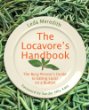
    The Locavore's Handbook
    By Leda Meredith


    The Omnivore's Dilemma
    By Michael Pollan


    The Omnivore's Dilemma For Kids
    By Michael Pollan


    The Paleo Diet: Lose Weight and Get Healthy by Eating the Foods You Were Designed to Eat
    By Loren Cordain. PhD 


    Plenty: Eating Locally on the 100-Mile Diet
    By Alisa Smith and J.B. MacKinnon


    Probiotic Foods for Good Health: Yogurt, Sauerkraut, and Other Beneficial Fermented Foods
    By  Beatrice Trum Hunter


    Real Food
    By Nina Planck


    Real Food for Mother and Baby
    By Nina Planck


    Ultrametabolism
    By Mark Hyman, MD


    The Untold Story of Milk: The History, Politics and Science of Nature's Perfect Food: Raw Milk from Pasture-Fed Cows by Ron Schmid, ND

    The Way We Eat: Why Our Food Choices Matter
    By Peter Singer and Jim Mason


    Why We Get Fat 
    By Gary Taubes


    The Wild Table: Seasonal Foraged Food and Recipes
    By Connie Green and Sarah Scott

    Thermography for Breast Cancer Detection

    The use of body temperature to diagnose disease dates back to 480 B.C. when Hippocrates wrote about spreading mud on his patients, suspecting the areas that dried first might indicate possible problems in underlying organs. Since then, technological progress has made thermography, a modern technique for measuring body temperature, possible.

    Thermography has been studied for its usefulness in breast cancer detection since 1956 and the United States Food and Drug Administration approved it as an adjunctive screening tool in 1982. The popularity of screening mammography caused thermography to fall out of favor, but recent revelations about the limitations and adverse effects of mammograms has renewed interested in this promising alternative.

    The Difference

    While mammograms measure anatomy, thermograms measure physiology. Mammography uses compression and ionizing radiation to take pictures of breast tissue, making the procedure painful and increasing the risk of developing cancer. Thermography is a painless test that uses infrared imaging to detect heat patterns on the surface of the skin related to inflammation, blood flow and angiogenesis, the formation of new blood vessels. Angiogenesis is a critical step in the growth of cancer because as abnormal cells increase in number, so do their requirements for oxygen and nutrients, the food needed to fuel proliferation. To meet their expanding needs, tumors generate new vessels to increase blood flow, and this in turn increases skin temperature.

    Earlier Detection

    Because inflammatory and vascular changes related to cancer growth can be detected sooner than solid tumors, which may take years to grow large enough to block x-ray beams and be identified on mammograms, thermograms can identify signs of malignancy in its earliest stages. Some experts estimate that thermography recognizes cancerous or pre-cancerous changes up to ten years earlier than any other procedure, mammography included.

    Because earlier detection can lead to earlier treatment and improved prognosis, thermograms offer significant survival benefits. A study published in the American Journal of Obstetrics and Gynecology followed almost 500 women diagnosed with breast cancer for five years. Only one of the two groups was screened with thermography. For these women, thermograms tested positive (abnormal), finding malignant cells before physical breast exams and mammograms, which tested negative (normal), could detect them. Both groups were given identical treatment and, after five years, the women whose cancer was detected by thermography lived longer. Screening thermograms increased survival by 61 percent.

    Increased Accuracy

    Another distinguishing difference between thermography and mammography is its accuracy. Mammograms correctly diagnose cancer only three percent of the time, according to a Harvard study published in the New England Journal of Medicine. In contrast, studies have shown that thermograms are highly sensitive and specific. (Sensitivity is the percentage of accurate positive results and specificity is percentage of accurate negative results.) A review of 15 large-scale studies published in the International Journal of Thermal Sciences concluded that breast thermography had an average sensitivity and specificity of 90 percent. Some studies have found sensitivity as high as 98 percent and specificity as high as 94 percent. With false positive rates of 10 percent on average, and as low as two percent, thermography is significantly more accurate than mammography, which has false positive rates as high as 97 percent.

    Thermograms are notably more accurate in individuals who have large breasts, because excessive amounts of tissue can make mammograms difficult to read, and those who have dense breasts, common in younger women. For those who have a higher risk of developing breast cancer, thermography makes starting screening at earlier ages not only safer, but also much more effective.

    The Bottom Line

    Research has shown that abnormal thermograms are the most important indicators in predicting the development and recurrence of breast cancer. Experts even estimate that they are up to 10 times more significant than family history (having a mother, sister or daughter diagnosed with the disease). Because thermograms are painless, noninvasive, reliable and free of side effects, this alternative to screening mammography should be made available to all women.

    References

    Fletcher SW and Elmore JG. Mammographic Screening for Breast Cancer. New England Journal of Medicine, 348(17):1672-1680, 24 Apr 2003.

    Gautherie M. Thermobiological assessment of benign and malignant breast diseases. American Journal of Obstetrics and Gynecology, 147(8):861-9, 15 Dec 1983.

    Gros C and Gautherie M. Breast Thermography and Cancer Risk Prediction. Cancer, 45:51-56, 1980.

    Haberman J. The present status of mammary thermography. CA: A Cancer Journal for Clinicians, 18: 314-321,1968.

    Louis K, Walter J and Gautherie M. Long-term assessment of breast cancer risk by thermal imaging, Biomedical Thermology, Alan R. Liss, Inc. pp. 279-301, 1982.

    Ng EY-K. A review of thermography as promising non-invasive detection modality for breast tumor. International Journal of Thermal Sciences, 48(5):849-859, May 2009.

    Ng EY et al. Computerized detection of breast cancer with artificial intelligence and thermograms. Journal of Medical Engineering and Technology, 26(4):152-7, Jul-Aug 2002.

    Stark  A and Way S. The Screening of Well Women for the Early Detection of Breast Cancer Using Clinical Examination with Thermography and Mammography. Cancer, 33:1671-1679, 1974.

    Mammograms Misunderstood

    The United States Preventive Services Task Force recently changed their recommendations regarding screening mammography. After a thorough review of the research, this independent panel of experts appointed by the Department of Health and Human Services concluded that most women should be tested every two years between the ages of 50 and 74, replacing previous recommendations for yearly lifelong tests starting at age 40.

    The new guidelines have been met with confusion and outrage. Critics have dismissed them as a cost-cutting measure and described them as “a giant step backward.” The new recommendations have been called “deadly for women” and even “gendercide.” Although they could save billions of dollars in unnecessary testing and treatment, the financial savings are only a bonus. The new guidelines really are good for women and a review of the literature can quickly clear up the controversy.

    Zero Benefit

    In 2001 the benefits of screening mammography underwent serious scrutiny by the well-respected Cochrane Collaboration, an international, independent, not-for-profit research organization. They performed an objective and systematic review of the seven largest screening mammography studies ever done and examined the effects in a half million women from the United States, the United Kingdom, Canada and Sweden.

    Two of the seven studies met the gold standard for research: randomized controlled trials. They followed 130,000 women for 13 years and compared women who received regular mammograms to those who did not. Researchers found that the rate of death from breast cancer, and from any other cause, was the same in both groups. When all seven studies were considered, mammograms were still not associated with a statistically significant reduction in the risk of death. Surprising as these studies are, the results are clear: screening mammography does not save lives.

    False Positives

    Mammograms are positive when abnormal tissue is detected. False positive tests occur when mammograms mistakenly identify cancer in normal tissue. A 2005 review of randomized controlled trials published in the Journal of the American Medical Association found that 95 percent of positive mammography results are false. A Harvard study published in the New England Journal of Medicine found that only three percent of abnormal mammography results were valid, making the frequency of failure 97 percent.

    False positive results can be a grave matter. A study published in the Annals of Internal Medicine found that 47 percent of women with high-suspicion mammograms experience substantial anxiety. While most women are relieved to learn that their test results were wrong and they do not have cancer, many suffer unnecessary emotional turmoil.

    Harmful Effects

    Screening mammography can have other harmful effects. Women with false positive results are needlessly subjected to biopsies, lumpectomies and associated adverse effects, including pain, infection and scarring. Those with true positive results are too often treated for cancers that would have otherwise gone unnoticed. A 2009 study published in the British Medical Journal concluded that one out of every three breast cancers identified on screening mammograms is overdiagnosed and would not cause symptoms or death. The surgery, chemotherapy and radiation used to treat these tumors are always harmful. Side effects and complications can include mouth sores; fatigue; vomiting; digestive problems; skin rashes; hair loss; damage to peripheral nerves; changes in brain function affecting memory, concentration and learning; premature menopause; leukemia (cancer of the blood); and death.

    Ionizing radiation from mammograms is another valid concern. It can damage genetic material in cells and cause cancerous mutations. These tests are used to find cancer, but taking too many of them can also cause cancer. This detail has been overlooked in the past because the benefits of mammograms – saving lives – were thought to outweigh the harmful effects. But for most women, screening mammography does not save lives and the risks associated with radiation can no longer be ignored. There is a direct relationship between cumulative exposure to radiation and the risk of cancer, so the more mammograms (and other procedures involving ionizing radiation like CT scans) that women receive over their lifetimes, the more likely they are to develop cancer.

    Some Exceptions

    Screening mammography may not reduce the risk of death for most women, but for certain women, the benefits can outweigh the dangers. Women who have the highest risk for developing breast cancer have the most to gain from screening tests. These include women with two first-degree relatives (mother, daughter, sister) or second-degree relatives (aunt, grandmother) diagnosed with breast cancer before the age of 50; women who have three first- or second-degree relatives with breast cancer diagnosed at any age; individuals with a history of chest radiation between the ages of 10 and 30; and those who have a known gene mutation linked to breast cancer. These individuals should talk to their doctor about the best screening schedule for them.

    Diagnostic mammograms are another exception. Unlike screening mammography, which is performed on healthy women, diagnostic mammography is used to evaluate known breast problems. For women with lumps, tissue abnormalities, nipple discharge or a history of cancer, these tests can provide life-saving information for diagnosis and treatment.

    Accurate Alternative

    Thermography is a promising alternative to mammography. This infrared imaging technique is painless, non-invasive and free of radiation. It measures heat patterns on the surface of the skin related to blood flow and angiogenesis, the formation of new blood vessels. Angiogenesis is a critical step in the growth of cancer because as abnormal cells increase in number, so do their requirements for oxygen and nutrients, the food needed to fuel proliferation. To meet their expanding needs, tumors generate new blood vessels to increase blood flow, which increases skin temperature.

    Because these vascular changes can be detected sooner than solid tumors, which may take years to grow large enough to block x-ray beams and be identified on mammograms, thermograms can identify signs of cancer in its earliest stages. Some experts estimate that thermography recognizes cancerous or pre-cancerous changes up to 10 years earlier than any other procedure, mammography included.

    Studies have shown that thermograms are also much more accurate than mammograms. A review of 15 large-scale studies published in the International Journal of Thermal Sciences concluded that breast thermography had an average sensitivity and specificity of 90 percent. (Sensitivity is the percentage of accurate positive results and specificity is percentage of accurate negative results.) Other studies have found sensitivity as high as 98 percent and specificity as high as 94 percent. With rates of false positive and false negative results averaging only 10 percent, thermography is an accurate alternative to mammography.

    The Bottom Line

    Like any medical procedure, the pros and cons of mammograms must be considered carefully. Given the frequently false positive results, lack of benefit and exposure to radiation, screening mammography is not an effective tool for detecting breast cancer in the general population. For most women, preventive measures are much more beneficial: exercising regularly, maintaining an ideal weight, breastfeeding, avoiding pesticides and eating a healthy diet that includes seven or more daily servings of fruits and vegetables, especially cruciferous and dark green leafy vegetables.

    REFERENCES

    Elmore JG, Fletcher SW et al. Screening for breast cancer. Journal of the American Medical Association, 293(10):1245-56, 9 Mar 2005.

    Fletcher SW and Elmore JG. Mammographic Screening for Breast Cancer. New England Journal of Medicine, 348(17):1672-1680, 24 Apr 2003.

    Gøtzsche PC, Nielsen M. Screening for breast cancer with mammography. Cochrane Database of Systematic Reviews 2009, Issue 4. Art. No.: CD001877. DOI: 10.1002/14651858.CD001877.pub3.

    Griffey RT and Sodickson A. Cumulative radiation exposure and cancer risk estimates in emergency department patients undergoing repeat or multiple CT. American Journal of Roentgenology, 192(4):887-92, Apr 2009.

    Haberman J. The present status of mammary thermography. CA: A Cancer Journal for Clinicians, 18: 314-321,1968.

    Jorgensen KJ and Gøtzsche PC. Overdiagnosis in publicly organised mammography screening programmes: systematic review of incidence trends. British Medical Journal, 339:b2587, 9 July 2009.

    Lerman C et al. Psychological and behavioral implications of abnormal mammograms. Annals of Internal Medicine, 114(8):657-61, 15 Apr 1991.

    Nelson HD et al. Screening for breast cancer: an update for the U.S. Preventive Services Task Force. Annals of Internal Medicine, 151(10):727-37, W237-42, 17 Nov 2009.

    Ng EY-K. A review of thermography as promising non-invasive detection modality for breast tumor. International Journal of Thermal Sciences, 48(5):849-859, May 2009. DOI:10.1016/j.ijthermalsci.2008.06.015.

    Ng EY et al. Computerized detection of breast cancer with artificial intelligence and thermograms. Journal of Medical Engineering & Technology, 26(4):152-7, Jul-Aug 2002.

    Stark A and Way S. The Screening of Well Women for the Early Detection of Breast Cancer Using Clinical Examination with Thermography and Mammography. Cancer 33:1671-1679, 1974.

    Urban Composting

    According to the Lower East Side Ecology Center, the Department of Sanitation in New York City collects 13,000 tons of garbage everyday, and almost 5,000 tons – close to forty percent – account for organic materials that could be composted. Composting not only reduces waste, it also saves greenhouse gas emissions from refuse transport and provides nutrient-rich plant food for gardens, yards and parks. Because the health of the planet plays an important role in our own health, composting is something to be taken seriously and everyone can participate. Many urbanites wouldn’t consider composting compatible with city life, but surprisingly, it is.

    Get Started

    Worm bin composting requires few materials, little maintenance and less than three cubic feet of space. Properly managed, worm bins are discrete and odorless, and they do not attract pests. Bins can be tucked away inside a closet or pantry, under the kitchen sink, or in any shady spot, as long as the air vents are unobstructed and the temperature remains between 50 and 80 degrees Fahrenheit. A standard size bin, sometimes called a Worm Condo, usually measures 12 by 16 by 19 inches, but any lidded plastic container of similar size, with air holes and drainage holes, will work well.

    To set up a worm bin, begin with bedding materials referred to as “greens” and “browns.” Greens are organic materials rich in nitrogen. These can include fruit and vegetable scraps, coffee grounds, coffee filters, tea leaves, tea bags and fresh green plant materials like wilted flower bouquets, weeds and grass clippings. Browns are rich in carbon. These include newspaper, office paper (nothing shiny), paper bags, cardboard, food-soiled napkins and paper towels, dryer lint, saw dust, wood shavings, egg shells, corn cobs, stale bread and dry plant material like fall leaves, dead pine needles and dried flowers.

    Place up to three pounds of green materials in one corner of the bin. Shred some newspaper into one-inch strips (you will need about five newspapers if this is the only brown material you plan to use). Dip them in water and squeeze out as much moisture as possible. Separate the strips and drop them into the bin, along with any other browns, on top of the greens. Fill the container up to the bottom of the air vents, roughly three inches from the top. All of the greens should be covered by browns. The browns should have a fluffy appearance and allow for plenty of air circulation, creating a humid, but not wet, environment.

    On top of the browns, add one pound of Red Wigglers – approximately 1,000 worms – and cover the container tightly. Ensure that the air vents at the top are open and unobstructed. There should be little drainage, but a small amount is normal, so place the bin on a tray lined with an old towel or newspaper to absorb any liquid.

    To maintain the worm bin, place up to three pounds of greens in the bottom of the bin each week (a volume approximately equivalent to a standard size bread bag). Imagine that the bottom of your bin is divided into six equal areas and use one area each week. Rotate your disposals around the bin, returning to the first area six weeks later. Each time you add greens, be sure to place them at the bottom and cover them with browns.

    After approximately four months, the bedding will begin to resemble crumbly black dirt and the compost will be ready to harvest. Move everything to one side of the bin and stop adding greens to this compost. On the empty side, add new greens and browns and continue composting.

    Two weeks later, most of the worms should have moved over to the new bedding. Remove the compost and redistribute the browns to the empty side of the bin, adding more if necessary. Use the compost you harvested to feed plants, trees or grass. If you can’t use all of the compost yourself, donate it to local farms or community gardens.

    Follow Four Rules

    To avoid odors and infestations, follow four simple rules. First, maintain roughly equal amounts of greens and browns inside your bin, but always add slightly more browns. Greens are typically damp materials, and if there are too many, the environment will become too wet and foster microbial growth. If this happens, add more browns, which are typically dry materials, to absorb excess moisture.

    Second, refrain from adding oily foods to your worm bin. This includes salad dressings, sauces, meat and fish scraps, cheese and other dairy products. Because fats and oils turn rancid more quickly at room temperature, they can become smelly.

    Third, avoid adding the skins and peels of citrus and tropical fruits to your worm bin, or treat them first. Fruit flies often lay eggs on these fruits, and eggs that hatch inside a worm bin can quickly create an infestation. To kill any fruit fly eggs before they can hatch, freeze citrus peels and tropical fruit skins overnight or heat them for one minute in the microwave (and cool to room temperature) before adding them to your worm bin.

    Fourth, avoid adding anything to the bin that might threaten the health of your worms and their ecosystem. This includes pet waste, diseased plants, pesticide-treated plant materials, pressure-treated lumber, glossy paper, charcoal, weeds with seeds, invasive weeds, dead animals, and inorganic materials like plastic, metal and glass.

    Learn More

    The Lower East Side Ecology Center in New York City offers informative workshops like Worm Composting 101, a Children’s Wormshop, and Worm Composting for the Classroom, designed for teachers who want to start class projects. They sell materials, including Worm Condos and the Red Wigglers that love them, and accept donations of organic materials for composting (approximately 1,000 households currently donate six tons per week). The Center also offers a free composting hotline to answer questions and help troubleshoot problems (212-477-3155).

    Visit their website at www.lesecologycenter.org or stop by their stand at the Union Square Greenmarket any day it is open (8 to 5 every Monday, Wednesday, Friday and Saturday) to get more information, register for a class, donate your organic waste, or buy some authentic New York City compost.

    Preventing Swine Flu

    The upper respiratory infection caused by the H1N1 influenza virus, commonly called the swine flu, has everyone on alert. Preliminary reports suggest that most cases are limited to mild illness and unless the virus mutates or combines with a more dangerous virus, an above-average incidence of death and disability are unlikely. Immunization efforts are underway but swine flu vaccines have sparked controversy and concern over questionable ingredients and inadequate safety information. My patients frequently ask me to make recommendations for alternatives to vaccination, so here I share some simple strategies to enhance immunity and prevent infection during swine flu season.

    Common Sense


    The swine flu is much like the regular flu. The symptoms are similar – fatigue, fever, chills, sore throat, cough, runny nose, headache, body aches – and like other influenza viruses, H1N1 is transmitted through contact with respiratory secretions of infected individuals, usually after coughing, sneezing or touching common surfaces. To prevent transmission, avoid touching your mouth, nose, or eyes and wash your hands often with hot, soapy water and lots of friction, for at least twenty seconds. Although people can become contagious before symptoms even start, use your best judgment and avoid contact with individuals who appear to be sick. If you are ill, stay home to prevent spreading the infection to others.

    Good Nutrition

    While a multiple vitamin-mineral supplement can provide the nutrients necessary for a healthy immune system, it is no substitute for whole foods. Eat a wide variety of fruits, vegetables, whole grains, beans, raw nuts and seeds. If you eat meat, choose pasture-raised and grass-fed animals. If you eat seafood, choose small fish that live in cold water, like anchovies, sardines, herring and wild salmon, and avoid large fish at the top of the food chain, like tuna and swordfish. Avoid processed foods, trans-fats, hydrogenated oils, refined carbohydrates like white flour and sugar, and excessive intake of alcohol. Unless you have kidney disease or your doctor has told you otherwise, drink plenty of fluids. The best choices are filtered or spring water and unsweetened herbal or green tea.

    Sufficient Sleep

    Getting enough sleep is important for a healthy immune system. A study published in the Archives of Internal Medicine found that healthy adults who slept at least eight hours each night had a higher resistance to upper respiratory infections. Participants reported their sleep duration and sleep efficiency (time spent in bed asleep) every night for two weeks before they were exposed to a rhinovirus known to cause the common cold. Those who reported less than seven hours of sleep per night were almost three times as likely to develop a cold than those who slept eight hours or more. Participants who reported poor sleep efficiency (less than 92 percent) were five and a half times more likely to come down with a cold compared to those who reported a high sleep efficiency (98 percent or above). Although this study focused on rhinoviruses, sufficient sleep is most likely an essential element in preventing other upper respiratory infections, like swine flu, as well.

    Regular Exercise

    Exercise can also impact immunity. One study, published in the American Journal of Medicine, followed 115 sedentary postmenopausal women for one year to study the effects of physical activity on resistance to upper respiratory infections. Participants were divided into two groups: one exercised for 45 minutes at a moderate intensity, five days each week, while the other attended one 45-minute stretching session, one day per week. Researchers concluded that the stretchers had a much greater risk of getting sick than the exercisers, by a factor of three in the final three months of the study. If regular exercise can increase resistance to upper respiratory infections in older women, there is a good chance it can be helpful for the prevention of swine flu in others.

    Vitamin D

    Studies have shown that vitamin D can stimulate the production of white blood cells responsible for identifying and destroying abnormal cells, like the H1N1 virus, and producing anti-microbial peptides that protect the respiratory system from infection. Studies have also shown that low blood levels of vitamin D are associated with an increased incidence to colds and flu. Vitamin D production is stimulated in the skin upon exposure to ultraviolet radiation and levels may be low during colder months when we spend less time in the sun. Blood levels of Vitamin D can be tested by your doctor and should ideally fall between 60 and 90 nanograms per milliliter (ng/ml). If levels are low, vitamin D can be taken in supplement form to increase immunity during cold and flu season.

    Probiotics

    Probiotics are healthy bacteria that normally live on our bodies and inside our gastrointestinal tracts. These supplements are most commonly used to treat digestive disorders but studies show that probiotics can also play an important role in respiratory tract infections. In a double-blind, placebo-controlled study published in Pediatrics, researchers followed 326 healthy children between the ages of three and five years taking a placebo or probiotic product (lactobacillus acidophilus alone or in combination with bifidobacterium) twice daily for six months. Compared to placebo, the kids who took probiotics experienced fewer cold- and influenza-like symptoms, including fever, cough and runny nose, and they recovered faster when they did get sick. They reported less illness-related school absences and required fewer prescriptions for antibiotics. If probiotic supplements can be protective against the flu, they may be useful in preventing the swine flu as well.

    Botanical Medicines

    Elderberry has a long tradition of use as treatment for upper respiratory infections and a recent study, published in Phytochemistry, supports its efficacy against the H1N1 virus. Researchers found that elderberry flavonoids can bind the H1N1 virus and block its ability to infect host cells. They concluded that its anti-viral activity is comparable to pharmaceuticals Oseltamivir (Tamiflu) and Amantadine.

    Other herbal medicines used to prevent and treat viral upper respiratory infections include Astragalus root and medicinal mushrooms like reishi, shiitake and maitake. These botanicals have been used in traditional Chinese for thousands of years as restorative tonics, immune stimulants, and adaptogenic herbs that increase resistance to stress and illness.

    Good Guidance

    Like pharmaceutical medications, nutritional and herbal supplements are not appropriate for everyone. Before taking anything new, talk to a doctor trained in the use of natural medicines about contraindications, side effects, potential interactions, and the best dosage for you.

    REFERENCES

    Cannell JJ et al. Epidemic influenza and vitamin D. Epidemiol Infect. 2006 Dec;134(6):1129-40.

    Chubak J et al. Moderate-intensity exercise reduces the incidence of colds among postmenopausal women. Am J Med. 2006 Nov;119(11):937-42.

    Cohen S et al. Sleep habits and susceptibility to the common cold. Arch Intern Med. 2009 Jan 12;169(1):62-7.

    Leyer GJ et al. Probiotic effects on cold and influenza-like symptom incidence and duration in children. Pediatrics. 2009 Aug;124(2):e172-9.

    Roschek B Jr et. al. Elderberry flavonoids bind to and prevent H1N1 infection in vitro. Phytochemistry. 2009 Jul;70(10):1255-61.